
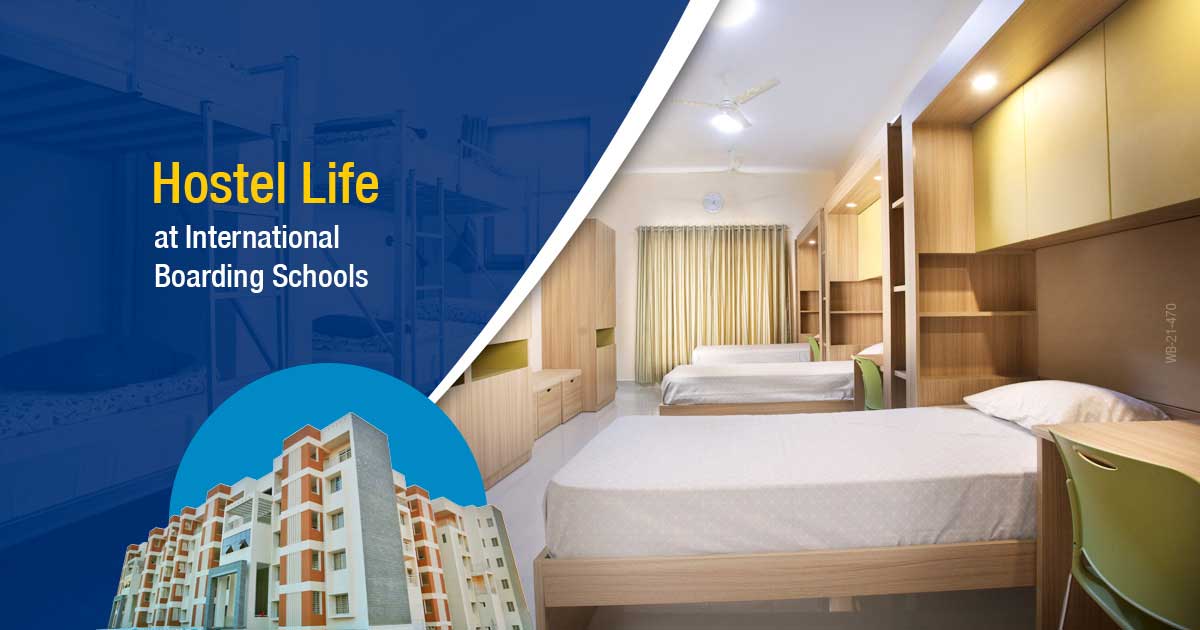
The concept of hostel life is not new in the Indian education system; it has been there since the Vedic ages. We all know about ancient universities like Nalanda and Takshashila or Indian gurukuls where students used to stay with their Gurus and embark on an academic journey, both spiritually and physically. International schools with hostels are similar to Indian gurukuls except for the modern touch; recycled gift in new packet!
The mention of hostel life evokes in many the image of distasteful food, uncomfortable beds, and gruesome wardens; thanks misconceptions people have acquired, but the real picture is much different. In a hostel, you get to make some of the best memories and find some of the best people of your life. However, if you compare hostel life with a home, that will not be just a comparison for, both are unique in their ways. While at home you get the warmth of your family, in hostel one learns to be self-reliant and feel unconditional bond of friendship.
If you are planning to admit your kid to any international school with a hostel, here are some etiquettes your kid will imbibe in for life:
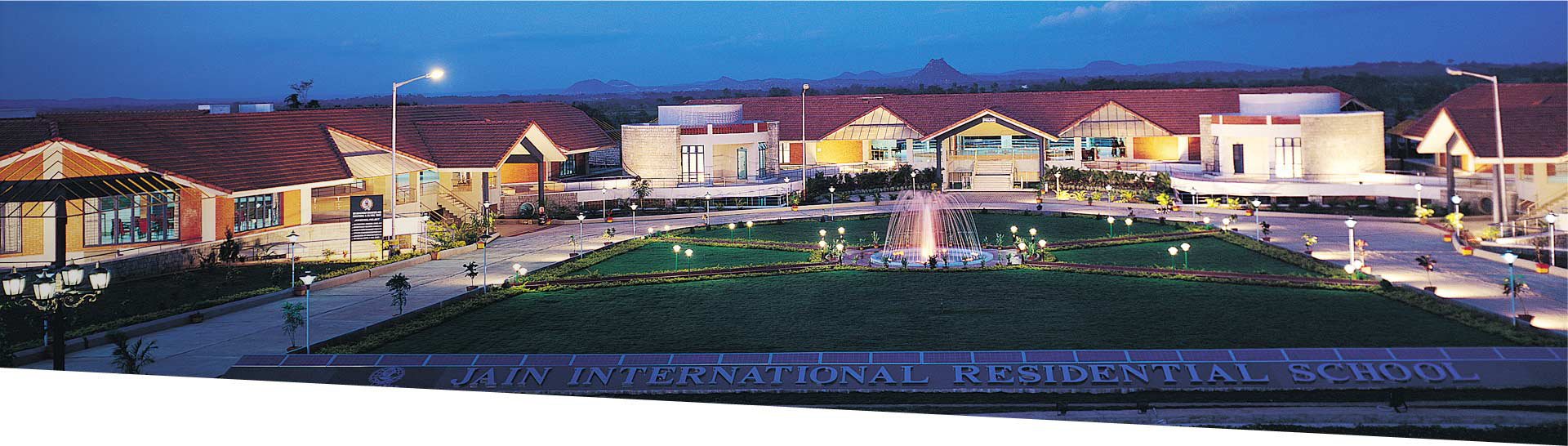
Residential schools offer every kind of facility that is required for overall development of a student. For example, Jain International Residential school provides its resident students the best in class facilities for their overall cultural, moral, and academic development.
Here are some of the facilities that your kid will be entitled at Jain International Residential School (JIRS):
Quoting renowned architect Arne Jacobson
“Besides, I think when one has been through a boarding school, especially then. You have some resistance because it was both fine comradeship and fairly hard training.”
Hostel Life of International Boarding Schools truly builds a positive approach in the student. Though sometimes students feel stiff and homesick, but it shapes a young mind to face every challenge in their future life.
A1. While hostel life comes with its own set of challenges, such as adapting to a new environment and being away from home, it ultimately fosters resilience, self-discipline, and strong interpersonal bonds. With structured routines and supportive infrastructure, students gradually embrace the experience and thrive.
A2. Yes, boarding schools offer a holistic environment that nurtures academic excellence, personal growth, and cultural development. Students learn essential life skills such as independence, responsibility, and collaboration, preparing them for future challenges.
A3. Hostel life can be highly beneficial for children. It encourages self-reliance, builds discipline, and promotes social interaction with peers from diverse backgrounds. It also provides an excellent setting for balanced academic and extracurricular development.
A4. Generally, early adolescence—around 11 to 13 years—is considered an ideal time. At this age, children are mature enough to adapt and benefit from the structured and supportive environment of a boarding school.
A5. Life in a boarding school is well-rounded, structured, and community-oriented. Students follow a balanced routine comprising academics, extracurriculars, personal time, and social engagement. It nurtures discipline, camaraderie, and holistic development in a secure and well-facilitated environment.
Recent Blogs
Site Designed and Maintained By : Office of Communications, JAIN Group All rights reserved.