
International School or Indian Residential School?
Has this thought ever bothered you? As a parent, you likely want your child to match their steps with the world, and you may be interested in the international schooling of your children. With a surge in the number of international schools, you must be wondering which one is good – an international or an Indian residential school.
The list of questions is endless. But, don't worry, you will get all your questions answered surrounding international vs. Indian residential schools in this article today!
Generally, national schools have a rigid curriculum and expect students to learn from textbooks. However, on the other hand, international schools provide their pupils with a diversified education system that gives them access to comprehensive learning practices. Indian residential schools allow the mingling of different cultures and experiences while learning to be more inclusive. This provides a platform for the students to learn in a culturally diverse environment.
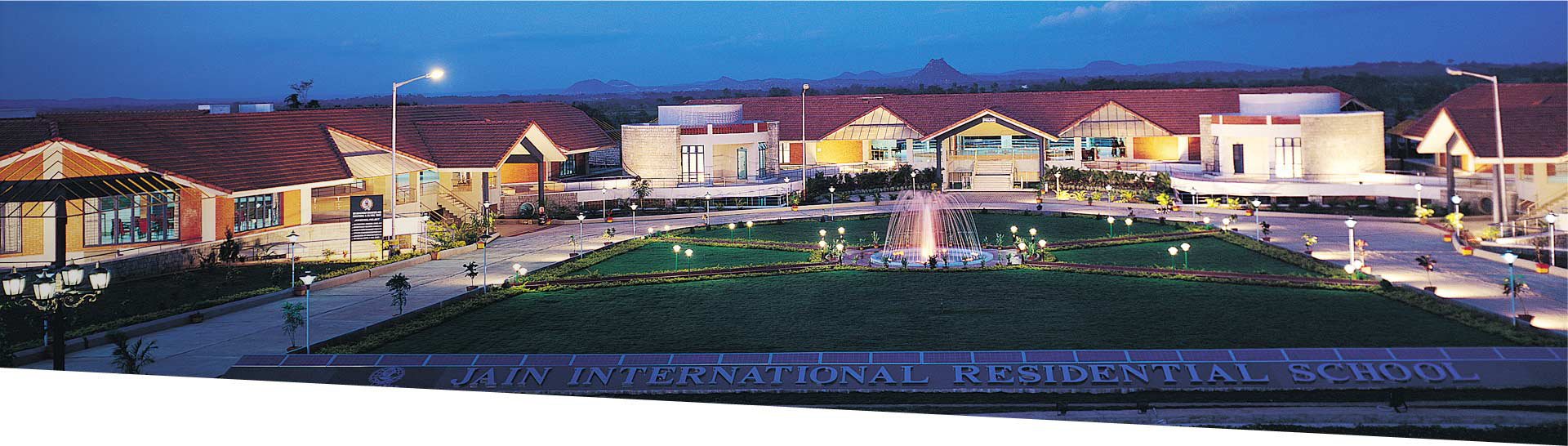
International schools are holistic but do not provide enough opportunities for personality development. Residential schools are where students do not study but live on campus, which helps them build their personalities. These residential schools are responsible for engaging, motivating, and igniting students to derive in-depth academic knowledge, communication skills, leadership qualities, problem-solving, and intellectual abilities. Residential schools consist of great infrastructure that helps students' overall development by providing a gym, well-equipped playgrounds, art studios, swimming pools, etc.
International school faculty access may be restricted due to scheduled school hours. However, in residential schools, teachers live on campus, which allows them to interact with and guide students even after school hours. Moreover, residential schools provide a riveting, intellectually-challenging environment for students where teachers are not only educators but also mentors, coaches, and friends.
While international schools equip students with a comprehensive learning experience, on the other hand, it restricts them from adopting an independent lifestyle as they are not allowed to stay back in school. This is contrary to residential schools that allow students to perform their daily chores by themselves, manage academic assignments, maintain their monthly expenses, and monitor eating habits on their own independently. This instills a sense of responsibility, and they become more mature and mindful.
To summarise, both international schools and Indian residential schools have their pros and cons. However, if you want a learning platform that can guarantee global exposure, we suggest you go to Indian residential schools that follow an international curriculum. This will provide you with benefits from both areas and help you build futurist leaders with exceptional skills and knowledge.
A1. International schools in India are educational institutions that offer globally recognised curricula such as IGCSE, IB, or Cambridge programmes. They aim to provide a multicultural environment with a broader, inquiry-based learning approach aligned with global standards.
A2. Indian education traditionally follows a structured, examination-centric model, often based on memorisation. In contrast, foreign education systems focus on conceptual understanding, research-driven learning, and overall personality development.
A3. International schools offer global curricula and encourage critical thinking, creativity, and cross-cultural awareness. Local schools, however, typically follow national boards like CBSE or ICSE and have a more conventional teaching style with limited global exposure.
A4. National education usually adheres to a country's standardised curriculum and evaluation methods. International education, on the other hand, promotes interdisciplinary learning, cultural diversity, and global perspectives through internationally accredited curricula.
Recent Blogs
Site Designed and Maintained By : Office of Communications, JAIN Group All rights reserved.