
You must note that the reputation and university readiness are clear benefits of the IB Diploma Programme, but factors such as workload also matter.
This guide helps you understand the pros and cons of the IB Diploma Programme. It helps you make a thoughtful decision about whether IB is the right choice for you.
Before you glance through the IB programme advantages, you should know what the IB Diploma Programme is all about.
The IB Diploma Programme is a two-year course for learners aged 16–19 that focuses on intellectual, personal and social development. You study six subjects, with three at Higher Level and three at Standard Level, ensuring balanced exposure to English, Mathematics, Science, Humanities, Languages and the Arts.
The International Baccalaureate benefits include the Theory of Knowledge (TOK), where you examine how knowledge is formed, and Creativity, Action, Service (CAS), which connects learning with community involvement.
Now that you’ve understood what the IB Diploma Programme is, reading about the IB Diploma advantages and challenges brings further clarity on it.
Understanding the IB program benefits is important for you as they clearly reflect the balance between academic depth and personal growth.
One of the strongest benefits of pursuing the IB Diploma Programme is that it develops a global perspective. You learn how different cultures shape your thinking and perspective. Studying a second language and literature in translation widens your outlook and prepares you for studying abroad.
The availability of a wide range of subjects is also one of the most important IB Diploma benefits. You study six subjects across disciplines, from Mathematics and Sciences to Humanities and the Arts, along with Theory of Knowledge and the Extended Essay. This suits you if you enjoy variety or are still exploring future university plans.
Clear thinking and confident expression are major benefits of IB board. The programme strengthens critical thinking through independent work and Theory of Knowledge discussions. You learn to question assumptions and interpret information carefully. Strong written and oral communication skills develop naturally through regular presentations and analytical tasks.
The international recognition and wide acceptance are among the most important IB Diploma benefits. Most of the universities across world value the IB curriculum and its balanced development.
Long-term readiness stands out among the International Baccalaureate benefits. You build research, communication, time management and critical thinking skills that universities and employers value. These abilities help you succeed at university and apply your learning across fields such as business, law, engineering and medicine.
The IB diploma advantages remain incomplete without mentioning the extra-curricular activities. Through Creativity, Activity, Service (CAS), you engage in creative, physical and service activities. You reflect on experiences and complete a group project, building leadership and teamwork skills while contributing responsibly to your community.
Now that you have understood the benefits of IB Diploma Programme, it is important to look honestly at the challenges as well. Understanding the challenges of the IB board helps you decide whether its demands match your learning style, goals and readiness.
The IB is academically challenging in comparison to other boards. It is often considered more demanding than many other senior secondary programmes. You are expected to handle continuous assessments over two years, including exams, essays and assignments. Core components such as Theory of Knowledge and the Extended Essay require independent research and critical thinking. This means you must stay organised, disciplined and consistent with your effort throughout the programme.
The IB may not suit every learner. Unlike programmes that focus on three or four subjects, the IB requires you to study six subjects across different groups. This broader structure builds range, but it also limits deep specialisation at an early stage. If you prefer concentrating on fewer subjects in greater depth, another curriculum might align better with your academic preferences and learning style.
Understanding these challenges helps you prepare realistically. With the right guidance, support and balanced mentoring, even a demanding programme becomes manageable. This is where institutions such as JIRS step in, creating an environment that supports your IB journey.
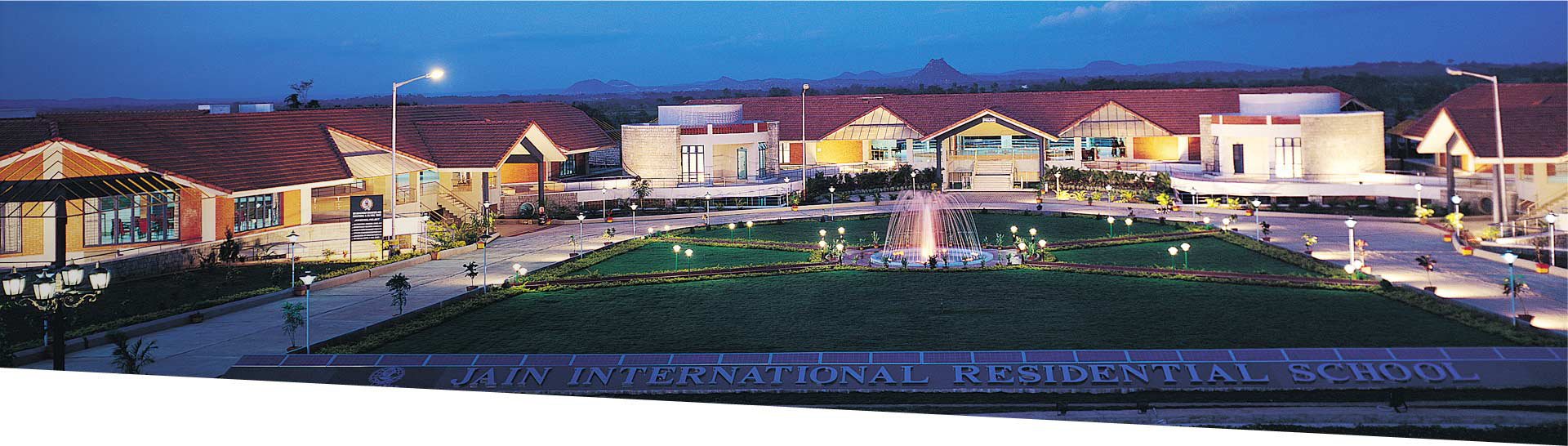
Choosing the right school environment can make a real difference in how you experience the IB Diploma and grow as a learner. JAIN International Residential School (JIRS) has been an authorised IB World School. Established in 1999, JIRS offers the IB diploma programme alongside other globally recognised curricula such as CBSE and Cambridge International. The table below shares quick points on why choosing JIRS for IB programmes can be a wise choice for you.
| Feature | What It Means for You |
| Experienced IB Programme | JIRS has a longstanding IB diploma programme with a structured, global curriculum. |
| Holistic Learning | A broad academic offering and activities enrich your educational experience. |
| Global Community | Learners from diverse backgrounds learn and grow together. |
| High National Rankings | JIRS is consistently ranked among India’s top residential schools for academics, co-curriculars and overall development. |
| Strong Support System | Personalised guidance and a nurturing boarding environment help you manage IB demands. |
You read about the IB program pros and cons above. It is now clear that the IB Diploma challenges you academically and personally, helping you think critically, manage research projects, and reflect on your learning. However, with the support of a school that combines strong academics with an encouraging environment, you gain the support you need to succeed in the IB programme. JAIN International Residential School (JIRS) offers this balance, preparing you for university and future opportunities with confidence and clarity.
A1: Yes, if you are looking for academic depth along with personal growth. The IB diploma builds research, critical thinking and communication skills that help you at university and beyond.
A2: Yes, the programme is challenging and requires consistent effort. With proper time management, guidance and support, learners can manage the workload successfully.
A3: Yes, the IB diploma is widely recognised by universities around the world. Many institutions value its academic rigour and holistic approach to learning.
A4: The IB board develops global awareness, academic breadth and transferable skills such as research, communication and critical thinking, while also encouraging creativity and community engagement.
A5: You should choose the IB Diploma if you want a balanced education that prepares you for higher studies, builds independent thinking and supports long-term academic and professional growth.
Recent Blogs
Site Designed and Maintained By : Office of Communications, JAIN Group All rights reserved.